



Cooking oil is one of the most frequently used ingredients in kitchens around the world. Whether you use sunflower oil, olive oil, canola oil, corn oil, or another vegetable oil, maintaining freshness is essential for food quality, flavor, and cooking performance.
Like all natural fats, edible oils gradually change over time. Exposure to oxygen, light, heat, and moisture causes oils to oxidize, eventually leading to rancidity. While spoilage is not always obvious at first glance, there are several signs that indicate an oil has lost its freshness.
Understanding these warning signs helps consumers avoid unpleasant flavors and maintain the highest standards of food quality.
Why Does Cooking Oil Go Bad?
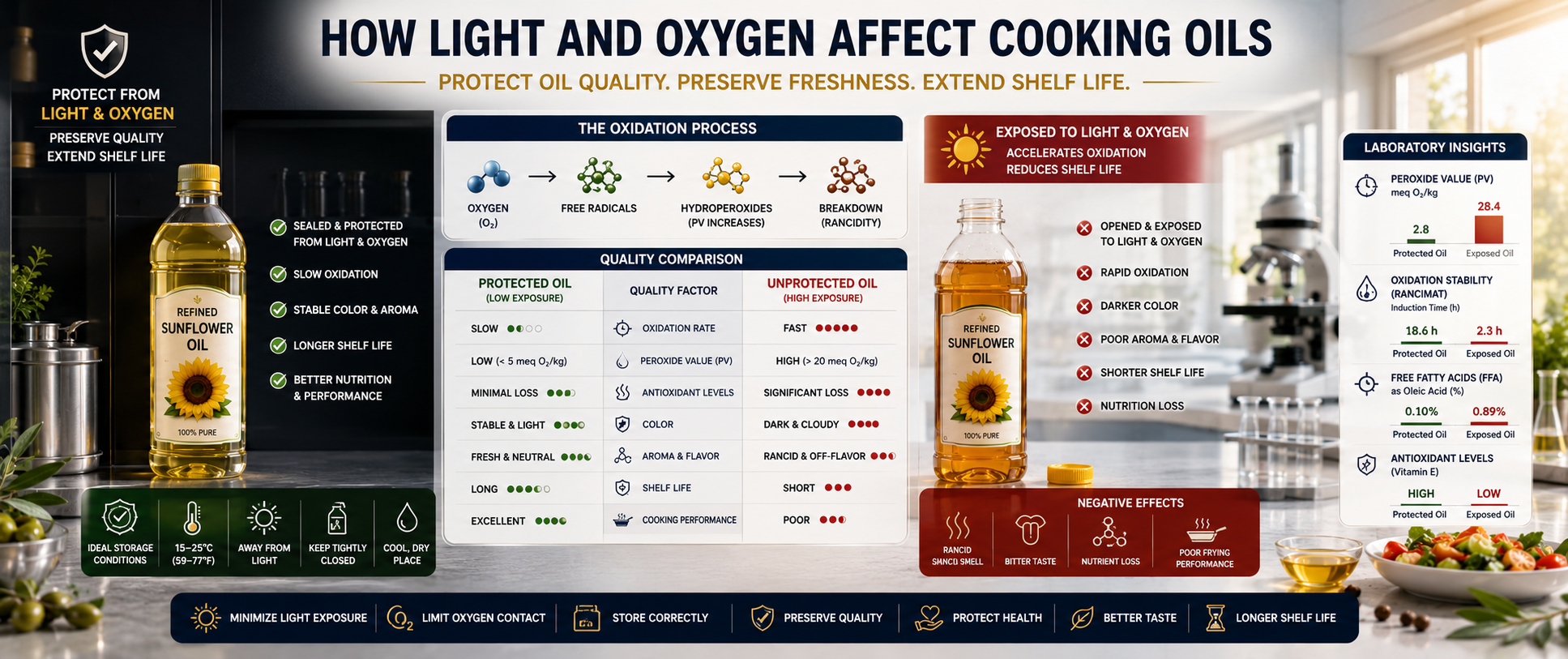
Cooking oils consist primarily of fatty acids that naturally react with oxygen.
Over time, several factors accelerate deterioration:
- Air exposure
- High temperatures
- Sunlight
- Moisture
- Metal contamination
- Repeated heating
- Improper storage
These factors gradually break down the oil’s natural compounds, reducing its quality and stability.
What Is Rancidity?
Rancidity is the process through which fats and oils deteriorate due to oxidation or other chemical changes.
Oxidized oil develops undesirable compounds that affect:
- Flavor
- Aroma
- Appearance
- Cooking performance
- Overall quality
Although all oils eventually become rancid, proper storage significantly slows this process.
Common Signs That Cooking Oil Has Gone Bad
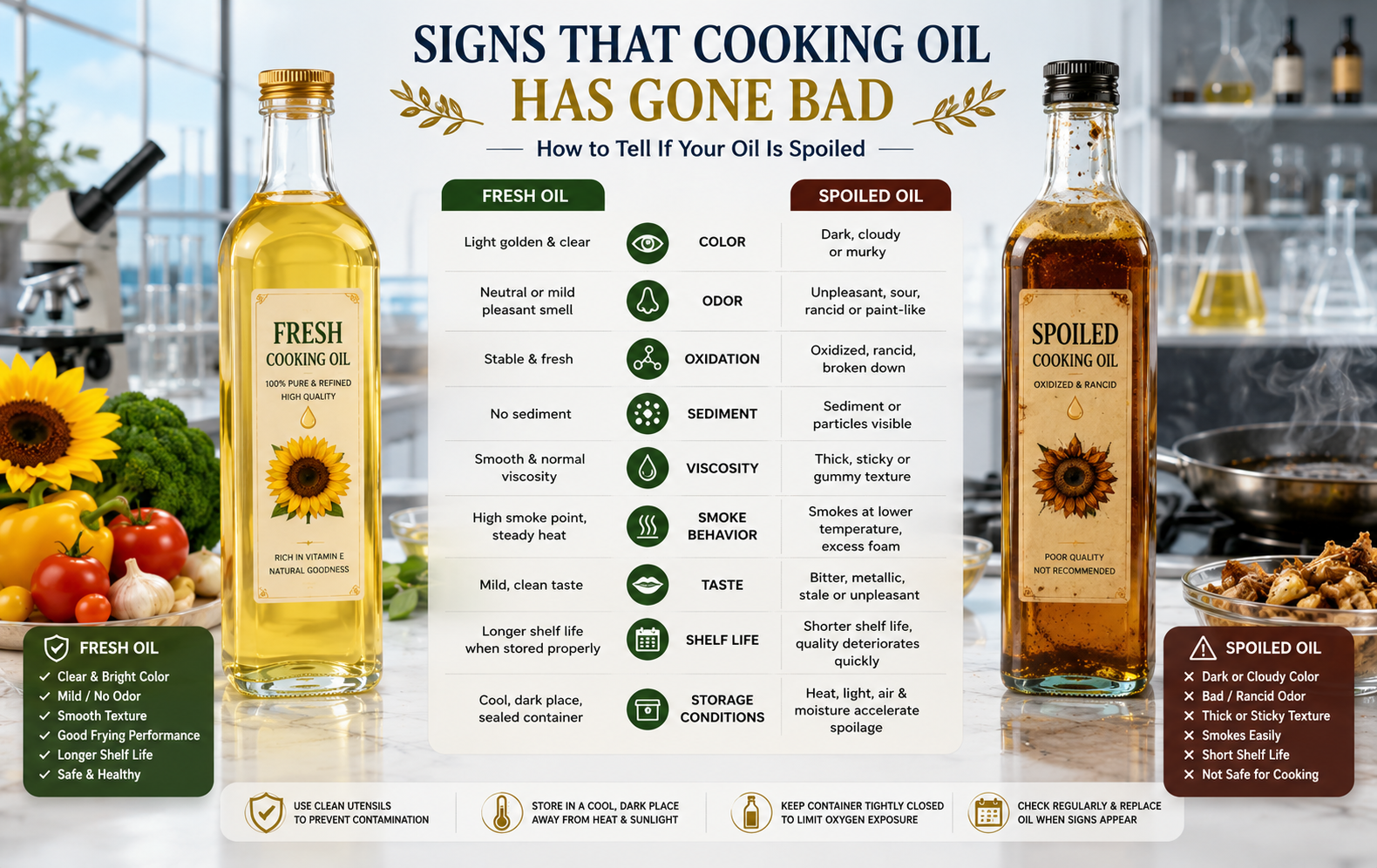
1. Unpleasant Odor
Fresh refined cooking oil has little to no noticeable smell.
Spoiled oil often develops odors described as:
- Paint-like
- Stale
- Musty
- Sour
- Metallic
- Crayon-like
If the oil smells unpleasant before cooking, it should not be used.
2. Change in Color
Fresh oil generally maintains a bright, uniform appearance.
Spoiled oil may become:
- Noticeably darker
- Brownish
- Dull
- Uneven in color
A gradual darkening can occur naturally with use, especially after repeated frying, but a significant color change is a sign of deterioration.
3. Cloudiness
Some oils naturally become cloudy when refrigerated, and this usually disappears when they return to room temperature.
However, cloudiness at room temperature—especially when accompanied by an off odor or visible particles—may indicate deterioration or contamination.
4. Sediment or Particles
Fresh refined oils should appear clear.
Visible sediment, floating particles, or unusual deposits may result from:
- Food contamination
- Repeated frying
- Poor filtration
- Extended storage
5. Thick or Sticky Texture
As oxidation progresses, oils may become:
- More viscous
- Sticky
- Syrupy
Fresh cooking oil should pour smoothly and evenly.
6. Excessive Foaming During Cooking
When frying with degraded oil, excessive foam may appear on the surface.
Foaming often indicates:
- Oil breakdown
- Food residue
- Moisture contamination
- Accumulation of degradation products
7. Smoke at Lower Temperatures
Fresh refined oils maintain their expected smoke point.
Spoiled oil may begin smoking well below its normal temperature because oxidation products reduce heat stability.
If an oil starts smoking unusually early, it may no longer be suitable for cooking.
8. Unpleasant Taste
Food prepared with spoiled oil may taste:
- Bitter
- Metallic
- Stale
- Burnt
- Harsh
These flavor changes are common indicators of oxidation.
Why Oxidation Matters
Oxidation gradually changes the chemical structure of edible oils.
It can reduce:
- Flavor quality
- Heat stability
- Nutritional value
- Consumer acceptance
Manufacturers monitor oxidation using quality tests such as Peroxide Value (PV) and Oxidative Stability Index (OSI) to help ensure product quality throughout its shelf life.
Which Oils Last the Longest?
Shelf life varies depending on the oil’s fatty acid composition and storage conditions.
In general:
| Oil Type | Relative Oxidative Stability |
|---|---|
| High Oleic Sunflower Oil | Excellent |
| Refined Olive Oil | Excellent |
| Avocado Oil | Very Good |
| Refined Canola Oil | Good |
| Corn Oil | Good |
| Standard Sunflower Oil | Good |
| Soybean Oil | Moderate |
High oleic oils are naturally more resistant to oxidation because they contain a higher proportion of monounsaturated fats.
Factors That Accelerate Oil Spoilage
The following conditions can shorten an oil’s usable life:
- Direct sunlight
- Temperatures above 25°C (77°F)
- Leaving bottles open
- Storing near ovens or stoves
- Moisture entering the container
- Dirty utensils
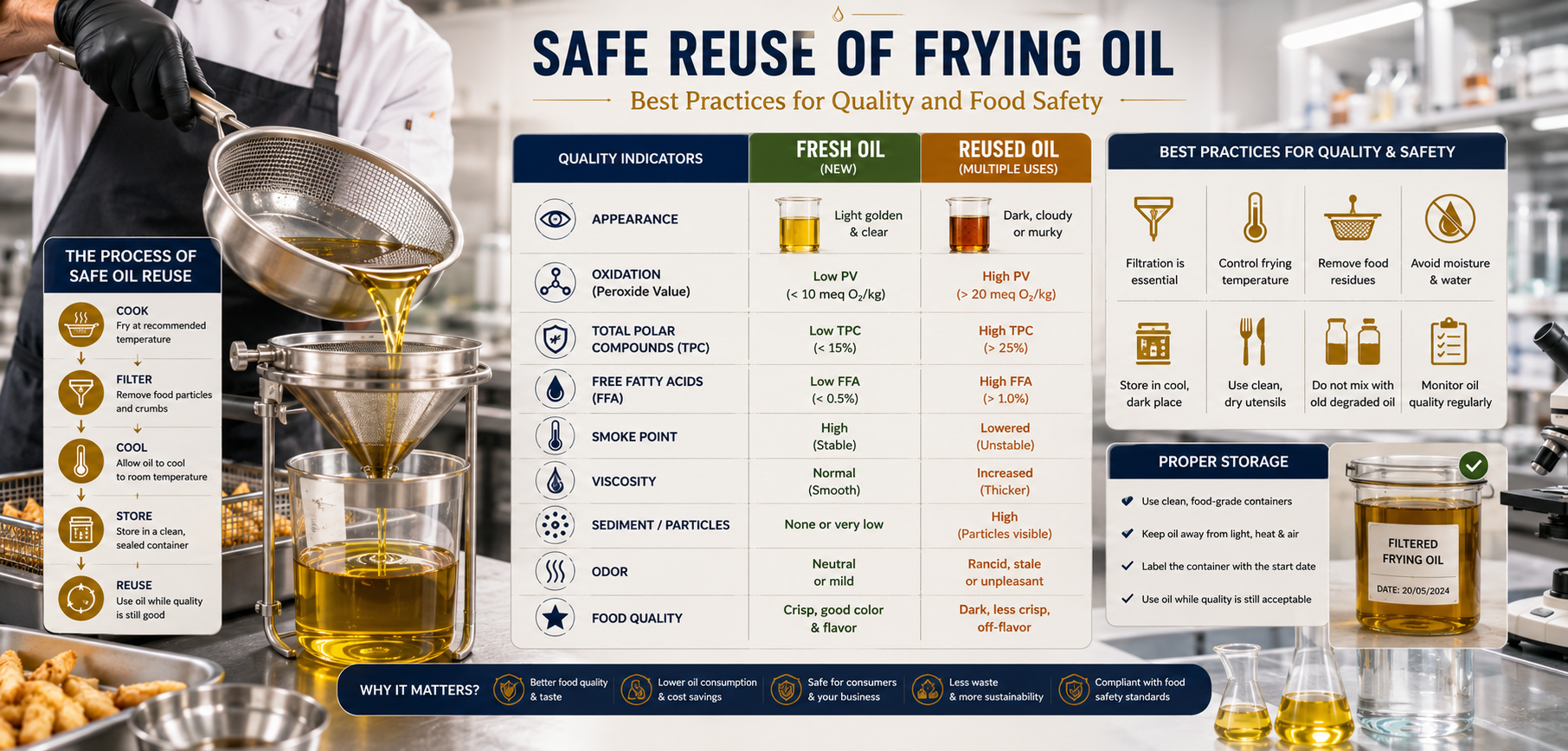
- Frequent reheating
- Mixing fresh oil with heavily used frying oil
Proper handling helps preserve both quality and freshness.
How to Keep Cooking Oil Fresh
Follow these best practices:
- Store in a cool, dry place.
- Keep containers tightly sealed.
- Protect oil from direct sunlight.
- Use clean, dry utensils.
- Avoid prolonged exposure to air.
- Purchase quantities appropriate for your usage.
- Follow the manufacturer’s recommended storage instructions.
Is It Safe to Use Expired Oil?
The expiration date provides guidance on the period during which the manufacturer expects the product to maintain optimal quality under recommended storage conditions.
If an oil has been properly stored and still looks, smells, and performs normally, it may retain acceptable quality for a period beyond its printed date. However, if it shows signs of spoilage—such as an unpleasant odor, significant discoloration, or abnormal cooking behavior—it should be discarded regardless of the expiration date.
Fresh vs Spoiled Oil Comparison
| Characteristic | Fresh Oil | Spoiled Oil |
|---|---|---|
| Color | Bright and clear | Darker or dull |
| Odor | Neutral or mild | Sour, stale, paint-like |
| Clarity | Transparent | Cloudy (at room temperature) |
| Texture | Smooth | Thick or sticky |
| Smoke Behavior | Stable | Smokes prematurely |
| Frying Performance | Consistent | Excessive foaming and poor results |
| Flavor | Clean | Bitter or rancid |
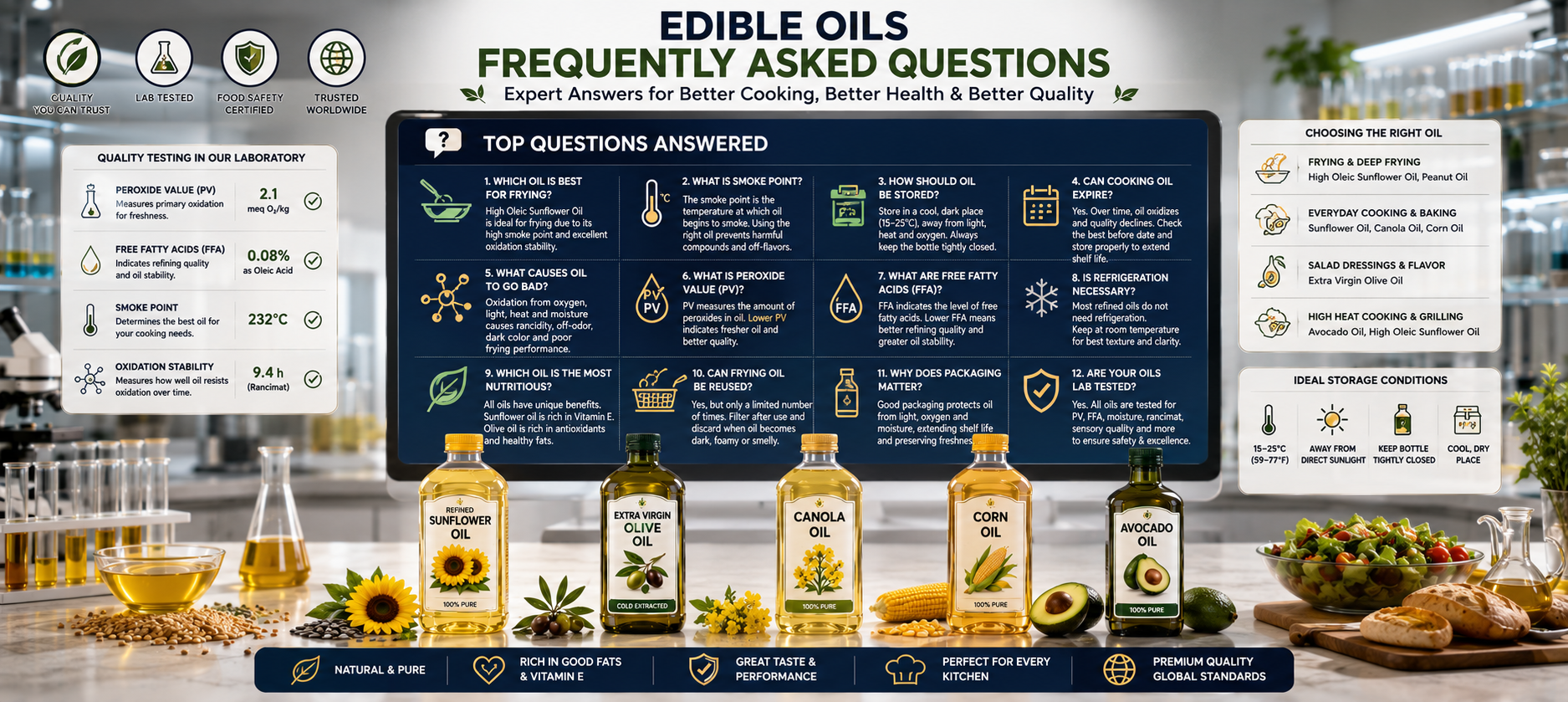
Frequently Asked Questions (FAQ)
Can cooking oil spoil before its expiration date?
Yes. Improper storage, repeated heating, or contamination can cause oil to deteriorate before the printed expiration date.
Why does frying oil become darker?
Repeated heating and contact with food particles gradually darken the oil. Significant darkening combined with unpleasant odor or excessive foaming suggests the oil should be replaced.
Is cloudy oil always spoiled?
No. Some oils become cloudy when refrigerated and return to normal once warmed to room temperature. Persistent cloudiness at room temperature may indicate quality issues.
Can spoiled oil make food taste different?
Yes. Oxidized oil often gives food a bitter, stale, or unpleasant flavor.
What is the best way to extend oil shelf life?
Store oil in a tightly sealed container, away from heat, light, and moisture, and avoid unnecessary exposure to air.
Related Articles
- Best Temperature for Oil Storage
- Can Cooking Oil Expire?
- How Light and Oxygen Affect Oils
- Shelf Life of Edible Oils
- Oxidation Stability of Cooking Oils
- Reading an Oil Label Correctly
Conclusion
Cooking oil naturally changes over time, but proper storage and careful handling can significantly extend its freshness. Monitoring simple indicators such as smell, color, clarity, texture, and cooking performance helps you identify when an oil has deteriorated.
Choosing high-quality edible oils, storing them correctly, and replacing them when they show clear signs of spoilage ensures better flavor, more consistent cooking results, and higher overall food quality.
Call to Action
Choose premium-quality edible oils produced under strict international quality standards to enjoy superior freshness, reliable cooking performance, and excellent shelf stability. Explore our range of refined vegetable oils for home kitchens, food service, and industrial food production.
Leave a Reply