



Cooking oil is one of the most frequently used ingredients in kitchens around the world. From preparing breakfast to sautéing vegetables, frying foods, baking desserts, and making salad dressings, edible oils play an essential role in both flavor and nutrition.
With so many options available—including sunflower oil, olive oil, canola oil, corn oil, avocado oil, and others—many consumers wonder:
Which cooking oil is best for everyday use?
The answer depends on several factors, including cooking temperature, flavor preferences, nutritional goals, and the type of meal being prepared. No single oil is ideal for every situation, but understanding the strengths of each helps create a balanced and versatile kitchen.
What Makes a Good Everyday Cooking Oil?
A high-quality everyday cooking oil should provide a combination of:
- Neutral or pleasant flavor
- Good heat stability
- Appropriate smoke point
- Balanced fatty acid composition
- Reliable cooking performance
- Consistent quality
- Good shelf life
The ideal choice often depends on how the oil will be used rather than on a single nutritional characteristic.
Factors to Consider
When selecting an edible oil for daily cooking, consider the following:
Smoke Point
Higher smoke points are generally more suitable for high-temperature cooking such as frying and stir-frying.
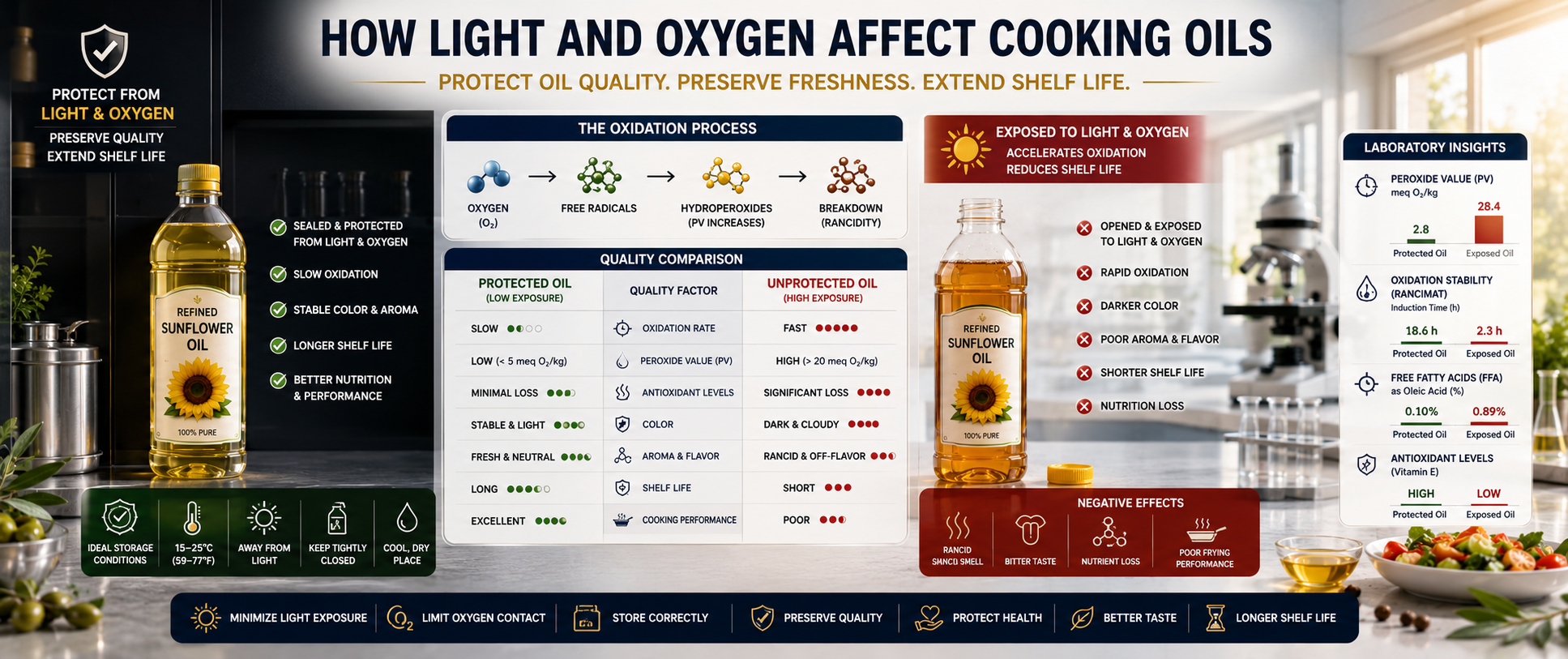
Oxidation Stability
Oils with greater oxidation stability maintain their quality longer during storage and repeated heating.
Flavor
Some oils are intentionally neutral, while others contribute distinctive flavors.
Examples:
- Refined sunflower oil → Neutral
- Olive oil → Fruity
- Avocado oil → Mild buttery
- Peanut oil → Slightly nutty
Fatty Acid Composition
Most nutrition experts recommend emphasizing unsaturated fats as part of an overall balanced dietary pattern.
Different oils contain varying proportions of:
- Monounsaturated fats
- Polyunsaturated fats
- Saturated fats
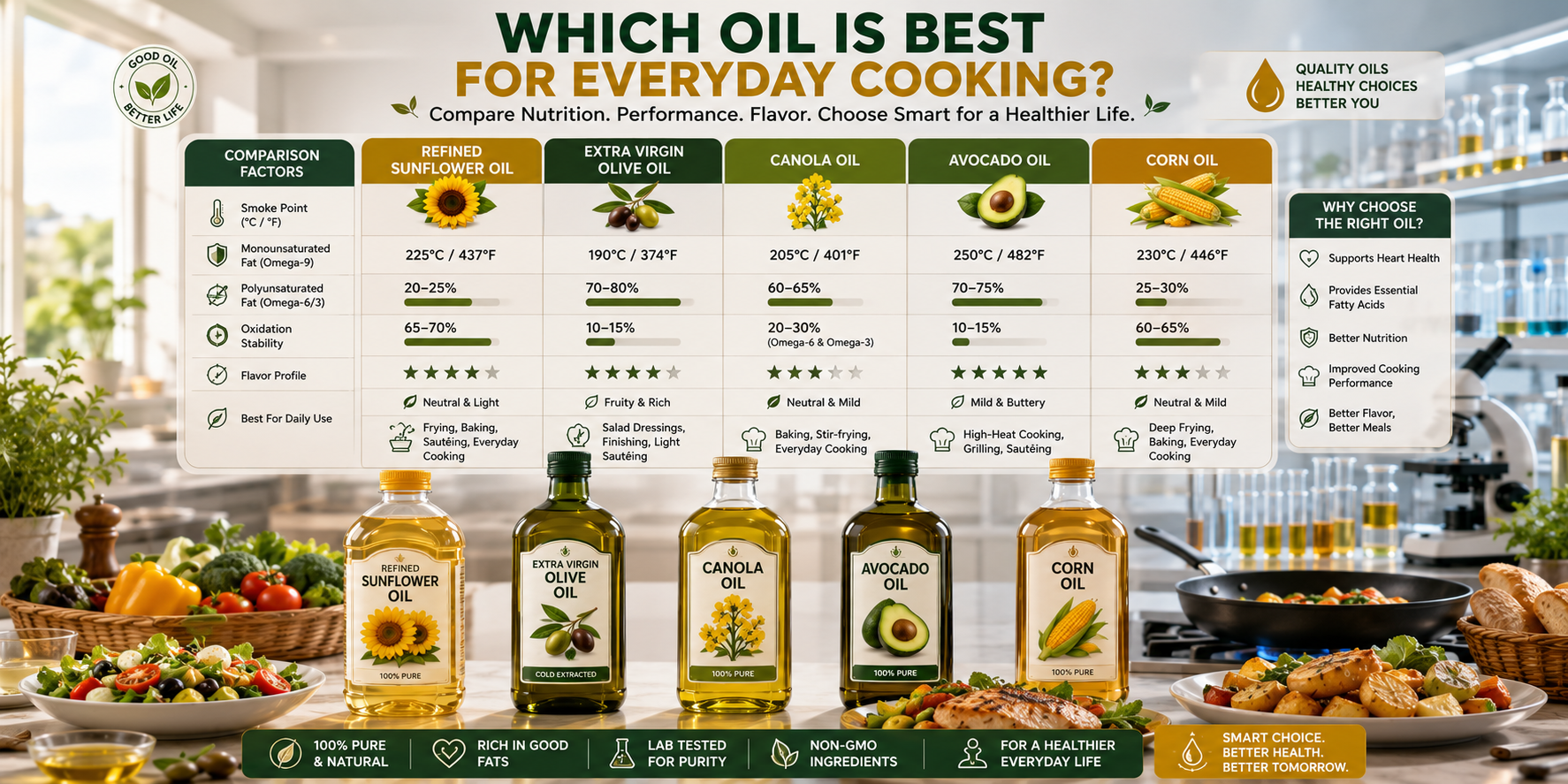
Refined Sunflower Oil
Refined sunflower oil is among the world’s most popular everyday cooking oils.
Advantages include:
- Neutral flavor
- High smoke point
- Light texture
- Excellent frying performance
- Wide availability
- Affordable price
Suitable for:
- Frying
- Baking
- Sautéing
- Roasting
- Everyday cooking
High Oleic Sunflower Oil
High Oleic sunflower oil offers additional advantages.
Characteristics:
- High monounsaturated fat content
- Excellent oxidation stability
- Long frying life
- Neutral flavor
It is widely used by:
- Restaurants
- Food manufacturers
- Commercial kitchens
It is also an excellent option for home cooks who frequently prepare fried foods.
Olive Oil
Olive oil is especially valued for its:
- Distinctive flavor
- Monounsaturated fats
- Naturally occurring polyphenols (particularly in Extra Virgin Olive Oil)
Best suited for:
- Salad dressings
- Mediterranean cuisine
- Light sautéing
- Finishing dishes
Refined olive oil is also appropriate for higher-temperature cooking.
Canola Oil
Canola oil is appreciated for its:
- Mild flavor
- Low saturated fat
- Balanced fatty acid profile
- Good versatility
Common uses include:
- Everyday cooking
- Baking
- Salad dressings
- Light frying
Corn Oil
Corn oil provides:
- High smoke point
- Mild taste
- Good frying performance
- Vitamin E
Often used for:
- Deep frying
- Commercial food preparation
- Home cooking
Avocado Oil
Avocado oil is recognized for:
- Very high smoke point
- High monounsaturated fat content
- Mild flavor
Suitable for:
- High-temperature cooking
- Grilling
- Searing
- Premium culinary applications
Matching Oil to Cooking Method
| Cooking Method | Recommended Oils |
|---|---|
| Deep Frying | High Oleic Sunflower Oil, Refined Sunflower Oil |
| Stir Frying | Sunflower Oil, Peanut Oil |
| Baking | Sunflower Oil, Canola Oil |
| Salad Dressings | Extra Virgin Olive Oil |
| Grilling | Avocado Oil, High Oleic Sunflower Oil |
| Everyday Cooking | Refined Sunflower Oil, Canola Oil |
Home Kitchens vs Professional Kitchens
Households often prioritize:
- Versatility
- Flavor
- Cost
- Availability
Commercial kitchens emphasize:
- Long frying life
- Oxidation stability
- Consistent quality
- Cost efficiency
As a result, professional kitchens frequently choose High Oleic sunflower oil for intensive frying applications.
Should You Use More Than One Oil?
Many nutrition professionals recommend using different oils for different purposes.
For example:
- Refined sunflower oil for frying and everyday cooking.
- Extra Virgin Olive Oil for salads and finishing dishes.
- Avocado oil for grilling or high-temperature searing.
This approach allows consumers to benefit from the unique characteristics of each oil.
Common Mistakes
Consumers often make several mistakes when selecting cooking oils.
Examples include:
- Choosing oil based only on price.
- Ignoring smoke point.
- Believing one oil is ideal for every recipe.
- Using delicate oils for deep frying.
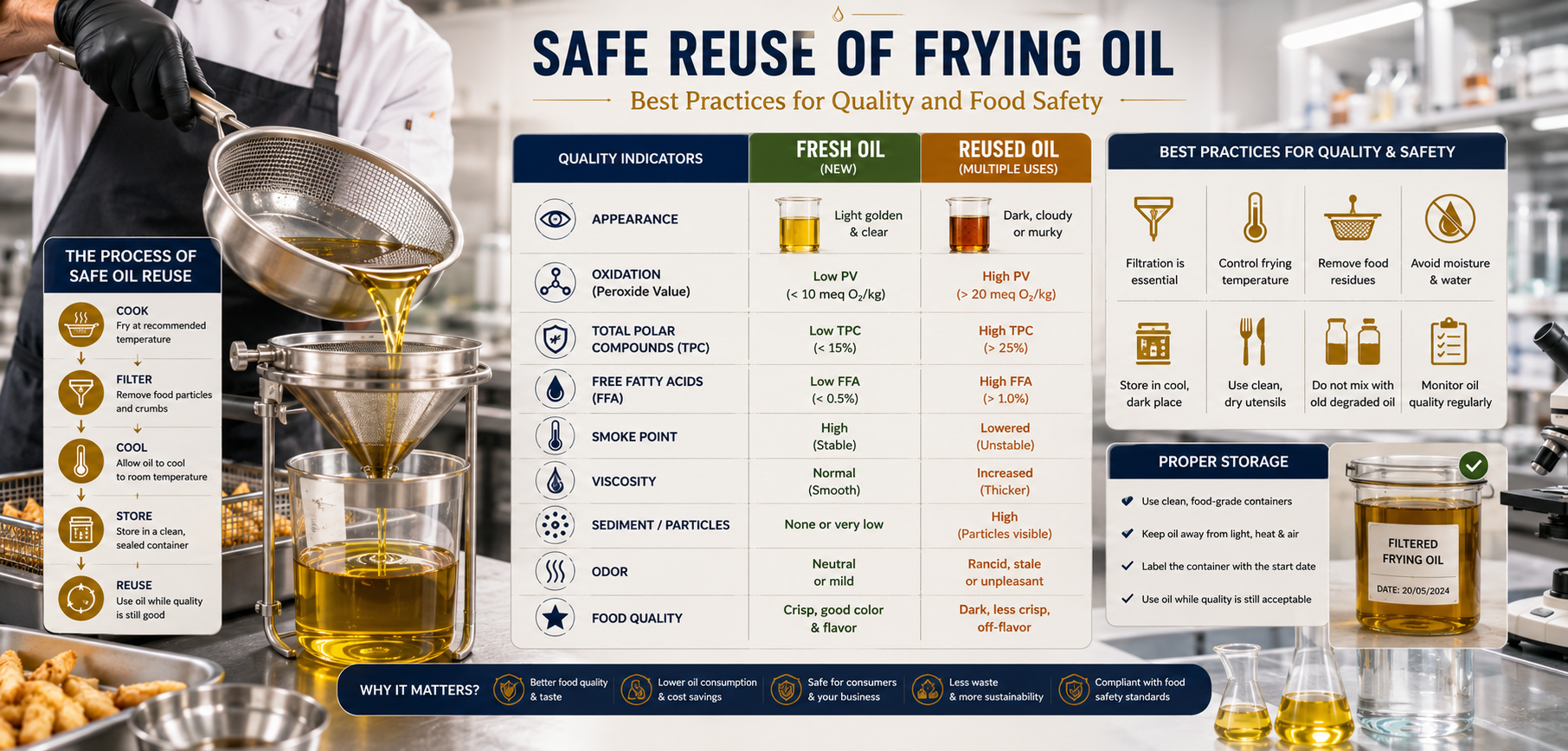
- Storing oils improperly.
Understanding oil properties helps avoid these problems.
Comparison Table
| Oil | Smoke Point | Flavor | Everyday Cooking | Frying | Salads |
|---|---|---|---|---|---|
| Refined Sunflower Oil | High | Neutral | Excellent | Excellent | Good |
| High Oleic Sunflower Oil | Very High | Neutral | Excellent | Excellent | Good |
| Olive Oil | Moderate–High | Fruity | Excellent | Good | Excellent |
| Canola Oil | High | Mild | Excellent | Very Good | Good |
| Corn Oil | High | Mild | Very Good | Excellent | Moderate |
| Avocado Oil | Very High | Mild | Excellent | Excellent | Good |
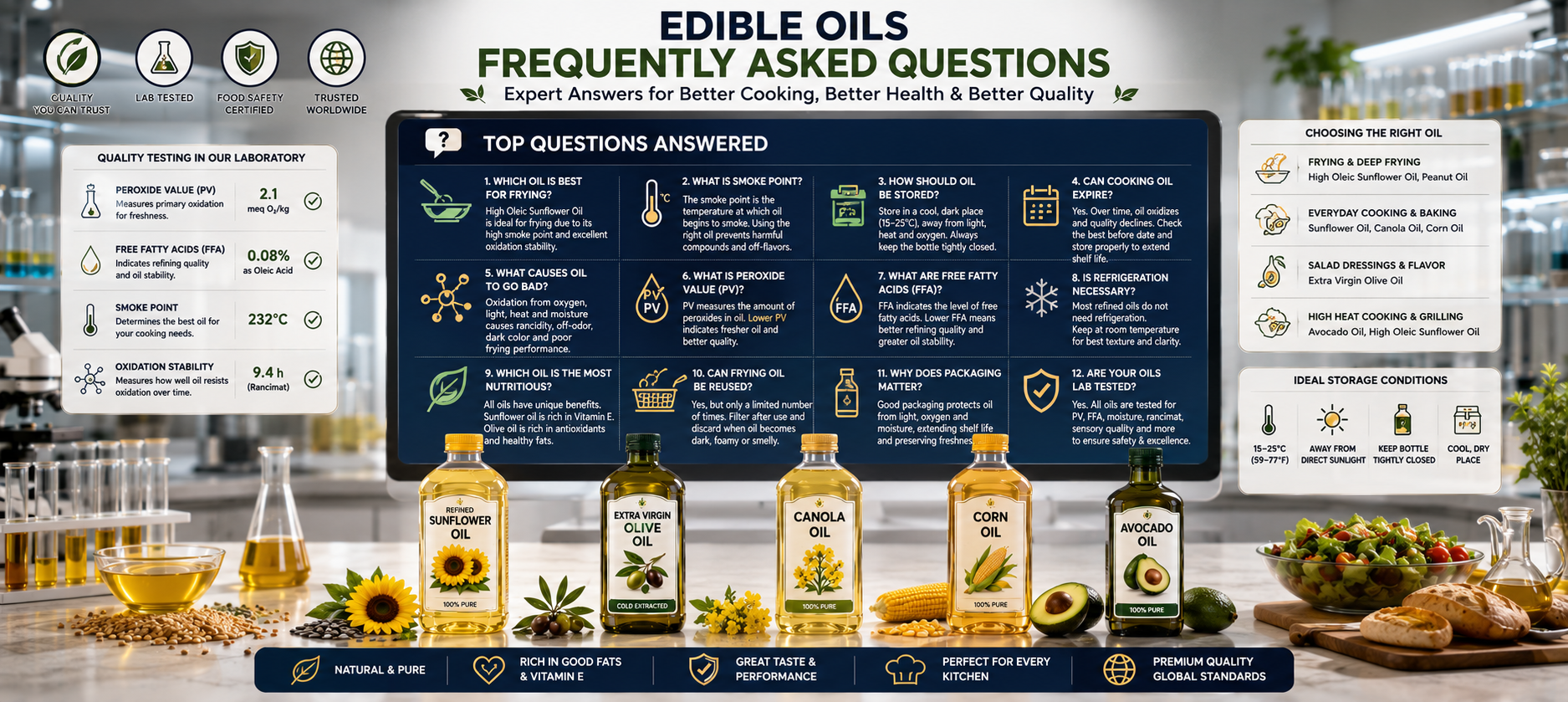
Frequently Asked Questions (FAQ)
Which oil is best for everyday cooking?
Refined sunflower oil is widely regarded as one of the most versatile choices because of its neutral flavor, high smoke point, and suitability for a wide range of cooking methods.
Is it better to use more than one cooking oil?
Yes. Different oils perform best in different applications, so using multiple oils can provide greater culinary flexibility.
Which oil is best for salads?
Extra Virgin Olive Oil is commonly preferred because of its rich flavor and naturally occurring phenolic compounds.
Which oil works best for frying?
High Oleic sunflower oil is among the best options because of its excellent oxidation stability and high smoke point.
Which oil has the most neutral flavor?
Refined sunflower oil and refined canola oil are both known for their mild, neutral taste.
Related Articles
- Which Oil Is Best for Frying?
- Sunflower Oil vs Olive Oil
- Sunflower Oil vs Canola Oil
- Smoke Point of Cooking Oils
- High Oleic vs Linoleic Sunflower Oil
- Oxidation Stability of Cooking Oils
Conclusion
There is no single cooking oil that is ideal for every culinary application. The best everyday cooking oil depends on the type of food being prepared, cooking temperature, flavor preference, and nutritional priorities. Refined sunflower oil remains one of the most versatile options thanks to its neutral taste, high smoke point, and excellent all-purpose performance. Combined with oils such as olive oil or avocado oil for specialized uses, it provides a practical and balanced approach to everyday cooking.
Call to Action
Discover our premium range of refined sunflower oils and High Oleic sunflower oils, developed for exceptional versatility, consistent quality, and outstanding cooking performance. Produced under internationally recognized food safety and quality standards, our edible oils are trusted by households, food manufacturers, and professional kitchens around the world.
Leave a Reply