



Buying sunflower oil may seem like a simple task, but choosing the wrong product can affect food quality, cooking performance, shelf life, and even your overall cooking experience.
Many consumers focus only on price or brand recognition, overlooking important quality indicators that distinguish premium sunflower oil from lower-quality alternatives.
Whether you’re shopping for your home, restaurant, or food manufacturing business, understanding these common purchasing mistakes will help you make better decisions and get the best value for your money.
Why Choosing the Right Sunflower Oil Matters
Sunflower oil is used in:
- Frying
- Baking
- Roasting
- Sautéing
- Salad preparation
- Food manufacturing
Selecting the right product ensures:
- Better cooking performance
- Longer shelf life
- Improved flavor
- Consistent food quality
- Greater value over time
Mistake 1: Buying Based Only on Price
Low prices can be attractive, but they do not always represent good value.
A cheaper product may have:
- Lower-quality raw materials
- Shorter shelf life
- Less consistent quality
- Inferior packaging
Instead of focusing only on price, evaluate overall product quality.
Mistake 2: Ignoring the Type of Sunflower Oil
Not all sunflower oils are intended for the same purpose.
Choose according to your needs.
| Type | Best For |
|---|---|
| Refined Sunflower Oil | Frying, baking, everyday cooking |
| Cold-Pressed Sunflower Oil | Salads, cold dishes |
| High Oleic Sunflower Oil | Commercial frying, high-heat cooking |
Using the wrong type may affect cooking results.
Mistake 3: Not Reading the Label
The product label provides valuable information.
Always check:
- Ingredients
- Production date
- Best-before date
- Storage instructions
- Manufacturer information
- Nutritional facts
Reading the label takes only a few moments but can prevent poor purchasing decisions.
Mistake 4: Ignoring Food Safety Certifications
Reliable manufacturers often comply with internationally recognized food safety systems such as:
- ISO 22000
- HACCP
- GMP
- FSSC 22000
These certifications demonstrate commitment to quality and safe production practices.
Mistake 5: Choosing Damaged Packaging
Never purchase bottles that show:
- Leaks
- Cracks
- Broken seals
- Dents (metal containers)
- Swollen packaging
Damaged packaging may compromise product quality.
Mistake 6: Ignoring the Expiration Date
Freshness directly affects oil quality.
Always verify:
- Production date
- Best-before date
Avoid buying products that are close to expiration unless they will be used immediately.
Mistake 7: Assuming All Brands Are the Same
Manufacturers differ significantly in:
- Seed quality
- Refining technology
- Laboratory testing
- Packaging
- Quality assurance
Brand reputation often reflects long-term commitment to product consistency.
Mistake 8: Overlooking Storage Conditions in the Store
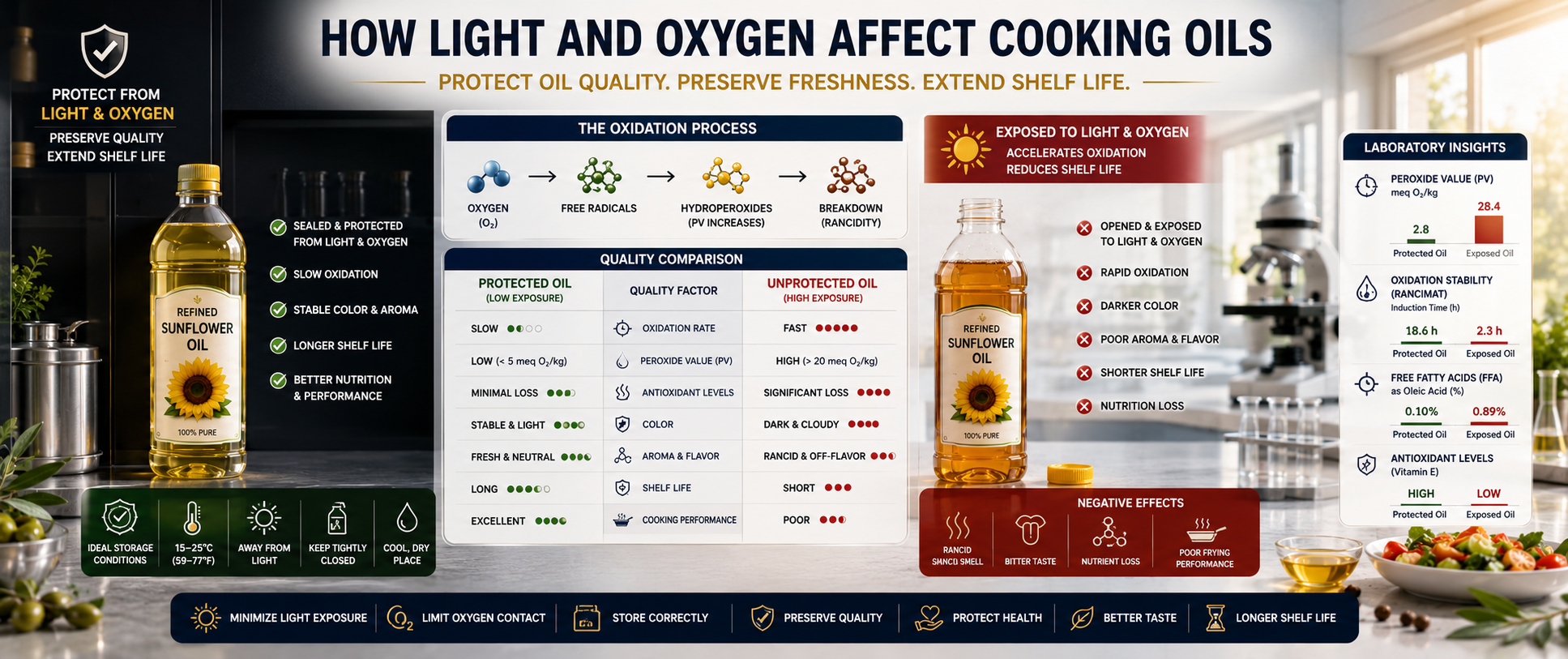
Even premium sunflower oil can deteriorate if stored improperly.
Avoid bottles displayed:
- In direct sunlight
- Near heat sources
- In excessively warm environments
Proper retail storage helps preserve freshness.
Mistake 9: Buying More Than You Can Use
Large containers may appear economical but can lose quality after opening if stored for extended periods.
Purchase quantities appropriate for your consumption rate.
Mistake 10: Ignoring Intended Cooking Method
Choose sunflower oil based on how it will be used.
For example:
- Deep frying → Refined or High Oleic Sunflower Oil
- Baking → Refined Sunflower Oil
- Salads → Cold-Pressed Sunflower Oil
Matching the oil to the application improves cooking performance.
Mistake 11: Forgetting to Check Clarity
Premium refined sunflower oil should be:
- Clear
- Bright
- Free of sediment
Cloudiness in refined oil may indicate improper storage or quality issues.
Mistake 12: Ignoring Aroma
Before using a newly opened bottle, check for:
- Fresh, mild aroma
- No rancid smell
- No burnt odor
A strong unpleasant odor may indicate oxidation.
Mistake 13: Assuming Darker Color Means Better Quality
Many consumers mistakenly associate darker oils with higher quality.
In reality, properly refined sunflower oil typically has a light golden appearance.
Color alone is not a reliable quality indicator.
Mistake 14: Overlooking Packaging Size
Choose packaging based on your needs.
| User | Recommended Packaging |
|---|---|
| Household | 1–5 L |
| Restaurant | 10–20 L |
| Food Manufacturer | Drums, IBCs, Flexitanks |
Selecting the appropriate size reduces waste and simplifies storage.
Mistake 15: Buying from Unreliable Sources
Purchase sunflower oil from:
- Reputable retailers
- Authorized distributors
- Trusted wholesalers
- Recognized manufacturers
Reliable supply chains improve product authenticity and traceability.
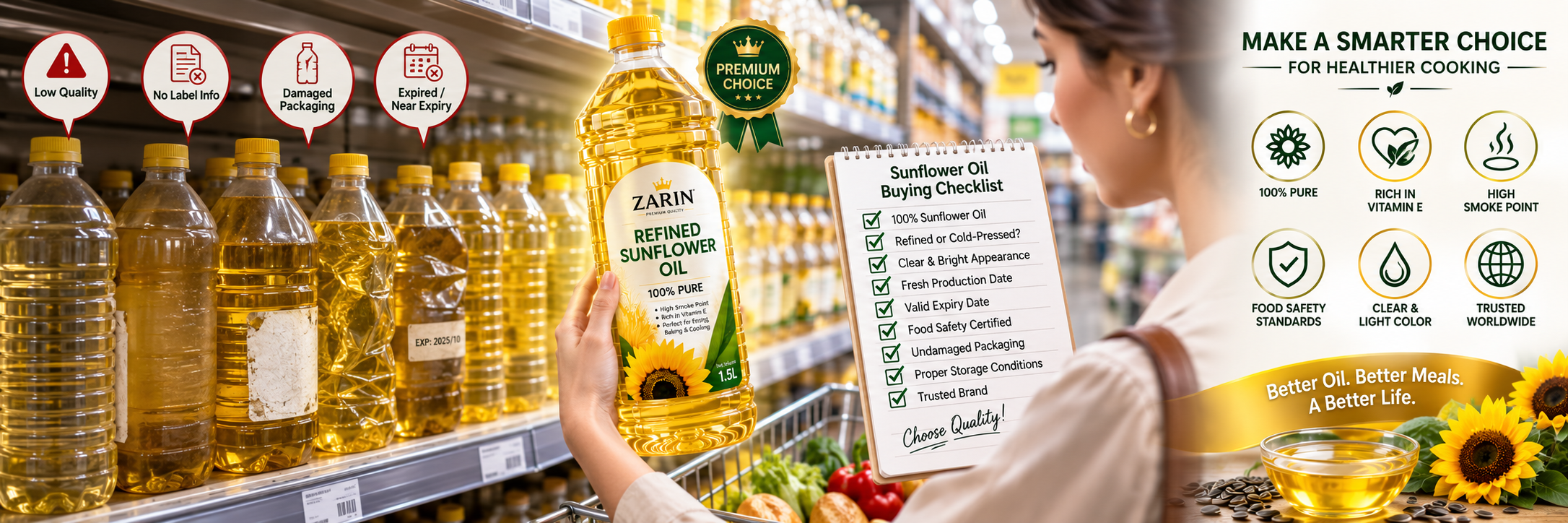
Quick Buying Checklist
Before purchasing, confirm that the product:
✓ Matches your cooking needs
✓ Has clear labeling
✓ Is within its shelf life
✓ Comes in undamaged packaging
✓ Appears clear and bright
✓ Is manufactured under recognized food safety standards
✓ Has been stored appropriately
Premium Sunflower Oil Characteristics
High-quality refined sunflower oil typically offers:
- Neutral flavor
- Light golden color
- Excellent clarity
- High smoke point
- Stable composition
- Reliable shelf life
- Consistent performance
These characteristics contribute to superior cooking results.
Frequently Asked Questions (FAQ)
What is the biggest mistake when buying sunflower oil?
Focusing only on price while ignoring quality, certifications, freshness, and intended use.
Is expensive sunflower oil always better?
Not necessarily. Quality depends on production standards, refining, storage, and manufacturer reliability rather than price alone.
Should refined sunflower oil always be clear?
Yes. Properly refined sunflower oil is typically transparent and free from visible particles.
Is it important to check food safety certifications?
Absolutely. Certifications indicate that the manufacturer follows internationally recognized production and quality management systems.
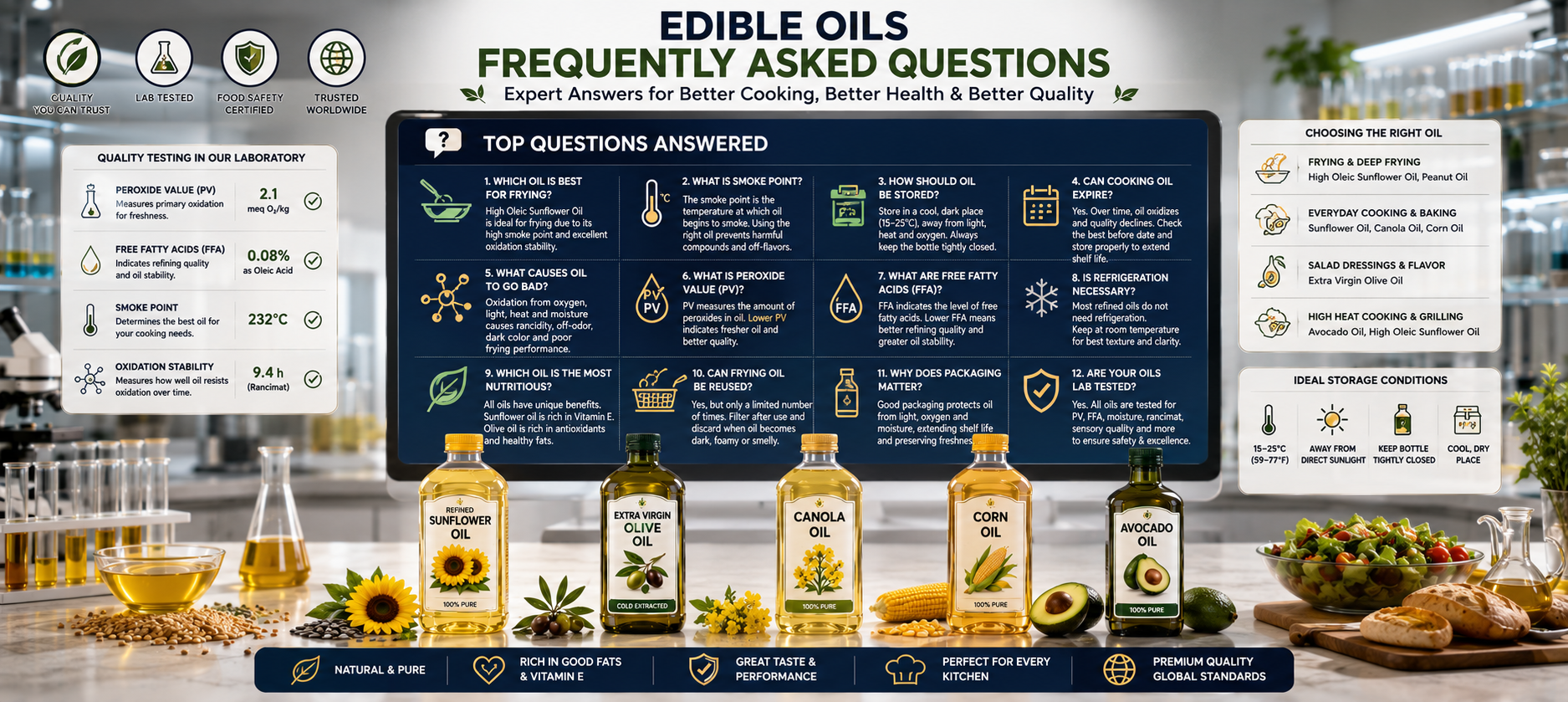
How should sunflower oil be stored after purchase?
Keep it tightly sealed in a cool, dry place away from direct sunlight and excessive heat.
Related Articles
- How to Choose Premium Sunflower Oil
- How to Identify High-Quality Cooking Oil
- Reading an Oil Label Correctly
- Storage Conditions for Cooking Oils
- Shelf Life of Edible Oils
- Everything About Sunflower Oil
Conclusion
Choosing premium sunflower oil requires more than comparing prices on a supermarket shelf. Understanding the type of oil, checking labels, verifying freshness, evaluating packaging, and purchasing from reputable suppliers all contribute to a better cooking experience and greater long-term value.
By avoiding these common mistakes, consumers and businesses can confidently select sunflower oil that delivers superior quality, consistent performance, and reliable food safety.
Call to Action
Looking for premium refined sunflower oil you can trust?
ZAR1N supplies internationally certified sunflower oil for households, food service, industrial manufacturing, private label, and global export. With strict quality control, advanced refining technology, and flexible packaging solutions, ZAR1N helps businesses and consumers choose quality with confidence.
Leave a Reply