



Choosing the right cooking oil has become increasingly important as consumers seek healthier diets and better cooking performance. Among the many vegetable oils available worldwide, sunflower oil and corn oil are two of the most commonly used options.
Although both oils are refined vegetable oils with excellent versatility, they differ in nutritional composition, fatty acid profile, oxidative stability, flavor, and ideal culinary applications.
Understanding these differences helps consumers, chefs, restaurants, and food manufacturers choose the most suitable oil for their specific needs.
What Is Sunflower Oil?
Sunflower oil is extracted from the seeds of the sunflower plant (Helianthus annuus). It is widely produced in countries such as Turkey, Ukraine, Russia, Argentina, Romania, and Bulgaria.
Modern refined sunflower oil is appreciated for:
- Neutral flavor
- Light color
- High smoke point
- High vitamin E content
- Excellent versatility
There are several types of sunflower oil:
- High Linoleic
- Mid Oleic
- High Oleic
Each offers different nutritional and cooking characteristics.
What Is Corn Oil?
Corn oil is extracted from the germ of maize (corn) kernels.
It is commonly produced in:
- United States
- Brazil
- Argentina
- Turkey
- China
Refined corn oil is known for:
- Mild taste
- High smoke point
- Rich phytosterol content
- Good frying performance
Corn oil is especially popular in commercial food production and deep frying operations.
Nutritional Comparison
| Nutrient | Sunflower Oil | Corn Oil |
|---|---|---|
| Calories | 120 kcal/tbsp | 120 kcal/tbsp |
| Total Fat | 14 g | 14 g |
| Saturated Fat | Low | Moderate |
| Vitamin E | Very High | High |
| Cholesterol | 0 | 0 |
| Trans Fat | 0 | 0 |
Both oils are naturally cholesterol-free and contain no trans fats when properly refined.
Fatty Acid Profile
Sunflower Oil
Typical refined sunflower oil contains:
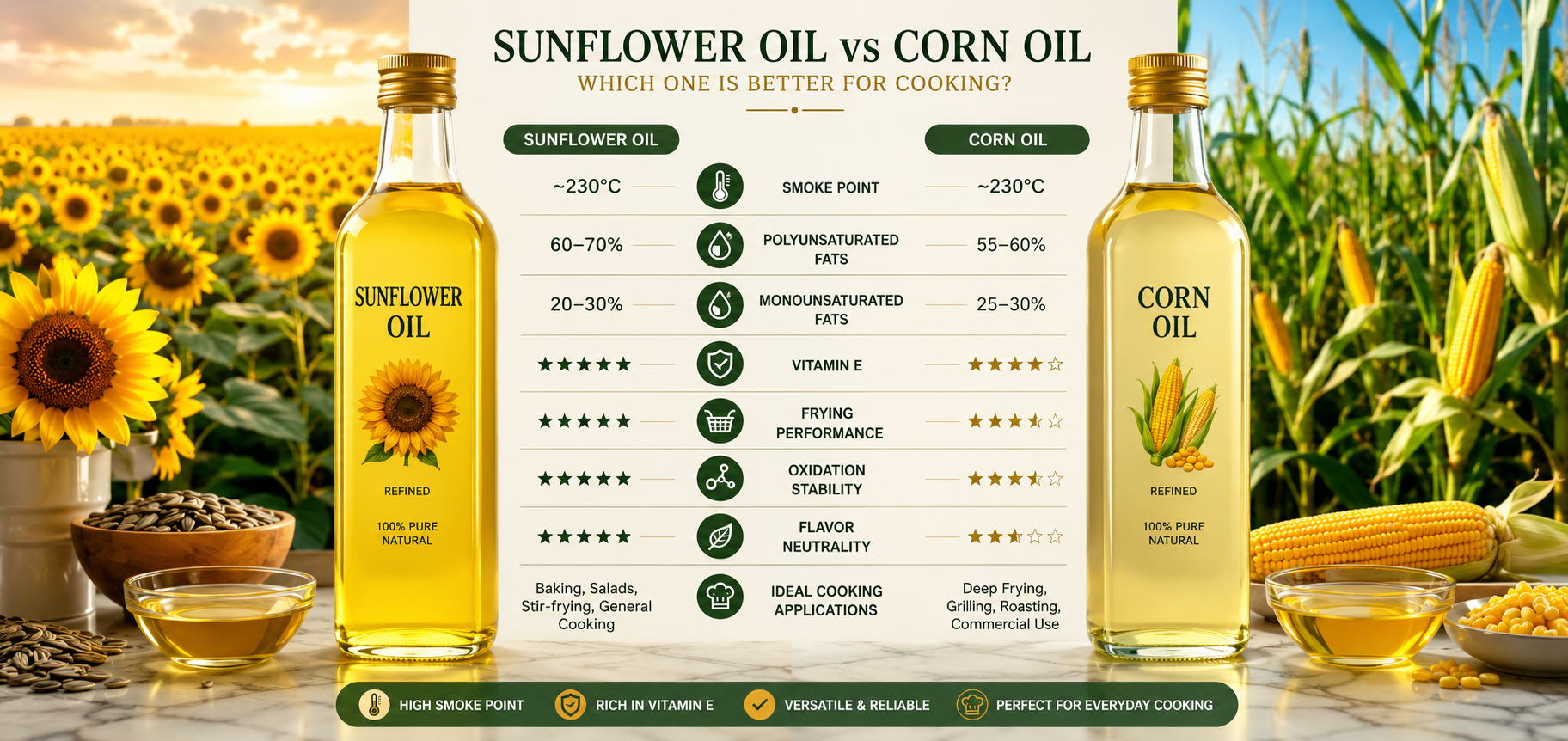
- Polyunsaturated fats (Linoleic): 55–70%
- Monounsaturated fats: 20–35%
- Saturated fats: 8–10%
High Oleic sunflower oil contains much more monounsaturated fat, making it highly stable for frying.
Corn Oil
Typical refined corn oil contains:
- Polyunsaturated fats: 55–60%
- Monounsaturated fats: 25–30%
- Saturated fats: 12–14%
Corn oil generally contains slightly more saturated fat than sunflower oil.
Vitamin Content
One major advantage of sunflower oil is its exceptionally high vitamin E concentration.
Vitamin E acts as a natural antioxidant and contributes to:
- Protection of body cells
- Immune function
- Skin health
- Reduced oxidative stress
Corn oil also contains vitamin E but typically in slightly lower concentrations.
Winner:
✅ Sunflower Oil
Smoke Point Comparison
| Oil | Smoke Point |
|---|---|
| Refined Sunflower Oil | ~230°C |
| Refined Corn Oil | ~230°C |
Both oils perform extremely well under high cooking temperatures.
Suitable for:
- Deep frying
- Stir frying
- Pan frying
- Roasting
- Baking
Result:
Tie
Frying Performance
Both oils produce crispy fried foods with minimal flavor transfer.
However, High Oleic sunflower oil offers better oxidative stability during prolonged frying.
Advantages of Sunflower Oil:
- Longer frying life
- Better resistance to oxidation
- Cleaner flavor
- Less polymer formation
Advantages of Corn Oil:
- Stable at high heat
- Popular in restaurants
- Cost-effective for commercial frying
Flavor Comparison
Sunflower Oil
- Very neutral
- Clean taste
- Does not overpower foods
Ideal for:
- Cakes
- Sauces
- Baking
- Dressings
- Fried foods
Corn Oil
- Slightly richer taste
- Mild corn-like aroma
- More noticeable flavor
Ideal for:
- Fried chicken
- Mexican cuisine
- Marinades
- Grilling
Oxidation Stability
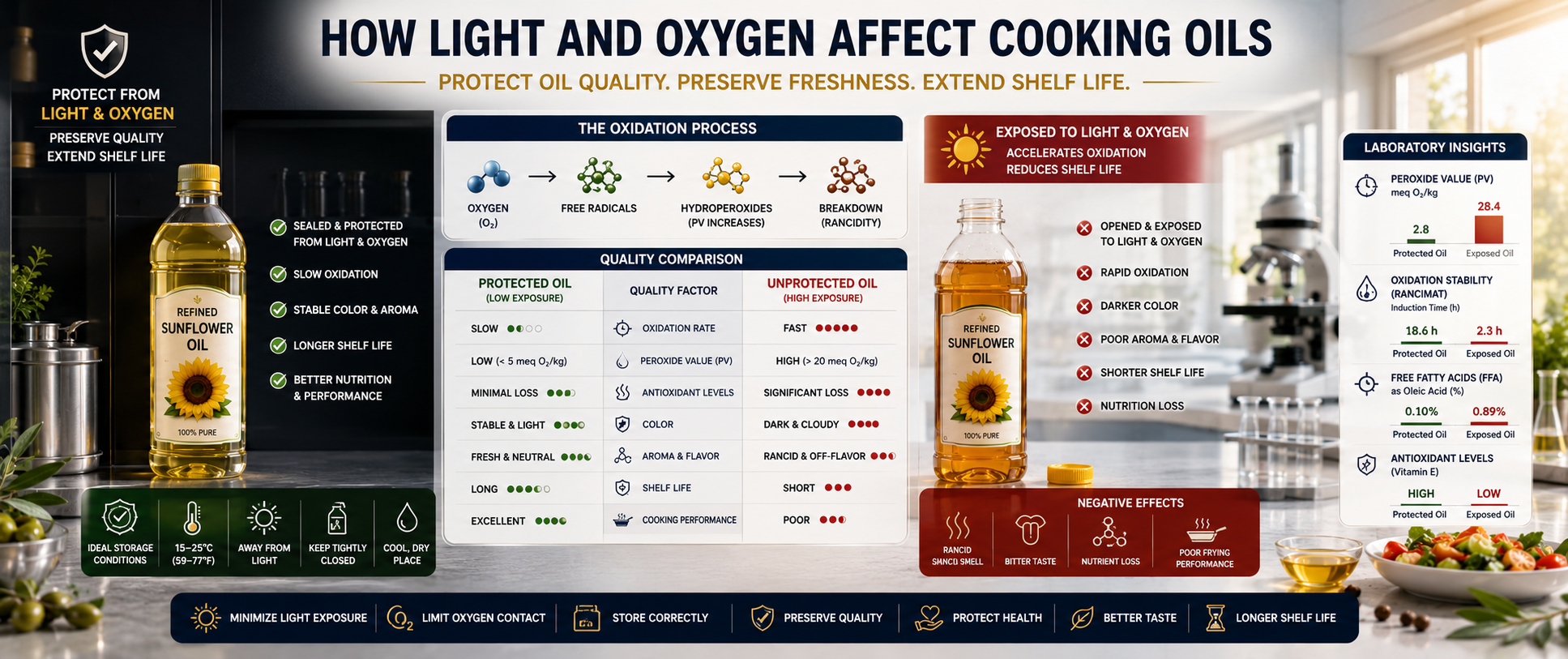
Oxidation determines how well an oil resists deterioration during cooking.
High Oleic Sunflower Oil performs exceptionally well due to its high monounsaturated fat content.
Standard sunflower oil and corn oil are relatively similar, although corn oil may oxidize slightly faster during repeated frying depending on formulation.
Industrial Applications
Sunflower Oil
Widely used in:
- Snack production
- Bakery products
- Margarine
- Sauces
- Mayonnaise
- Ready meals
- Baby foods
Corn Oil
Commonly used in:
- Deep frying
- Fast-food chains
- Chips
- Frozen foods
- Processed foods
- Salad dressings
Health Considerations
Both oils provide healthy unsaturated fats when consumed as part of a balanced diet.
Potential benefits include:
- Supporting heart health
- Lowering LDL cholesterol (when replacing saturated fats)
- Providing essential fatty acids
- Delivering vitamin E and other antioxidants
As with all cooking oils, moderation is recommended because they are calorie-dense.
Environmental Considerations
Both sunflower and corn are widely cultivated crops.
Sustainability depends on factors such as:
- Farming practices
- Water use
- Transportation distance
- Processing efficiency
- Responsible sourcing
Consumers should choose products from manufacturers committed to sustainable agriculture and quality assurance.
Side-by-Side Comparison
| Feature | Sunflower Oil | Corn Oil |
|---|---|---|
| Vitamin E | ⭐⭐⭐⭐⭐ | ⭐⭐⭐⭐ |
| Neutral Flavor | ⭐⭐⭐⭐⭐ | ⭐⭐⭐ |
| Frying Performance | ⭐⭐⭐⭐⭐ | ⭐⭐⭐⭐ |
| Smoke Point | ⭐⭐⭐⭐⭐ | ⭐⭐⭐⭐⭐ |
| Baking | ⭐⭐⭐⭐⭐ | ⭐⭐⭐⭐ |
| Salad Dressings | ⭐⭐⭐⭐⭐ | ⭐⭐⭐ |
| Oxidation Stability (High Oleic) | ⭐⭐⭐⭐⭐ | ⭐⭐⭐⭐ |
| Commercial Frying | ⭐⭐⭐⭐ | ⭐⭐⭐⭐⭐ |
Which Oil Should You Choose?
Choose Sunflower Oil if you want:
- Higher vitamin E content
- Neutral taste
- Excellent baking performance
- Versatility in everyday cooking
- High oxidative stability (especially High Oleic varieties)
Choose Corn Oil if you prefer:
- Commercial deep frying
- Mild distinctive flavor
- Cost-effective bulk frying
- Traditional use in certain regional cuisines
Both oils are excellent choices when purchased from reputable manufacturers and used appropriately.
Frequently Asked Questions (FAQ)
Is sunflower oil healthier than corn oil?
Both are healthy refined vegetable oils, but sunflower oil generally contains more vitamin E, while nutritional differences otherwise depend on the specific variety and overall diet.
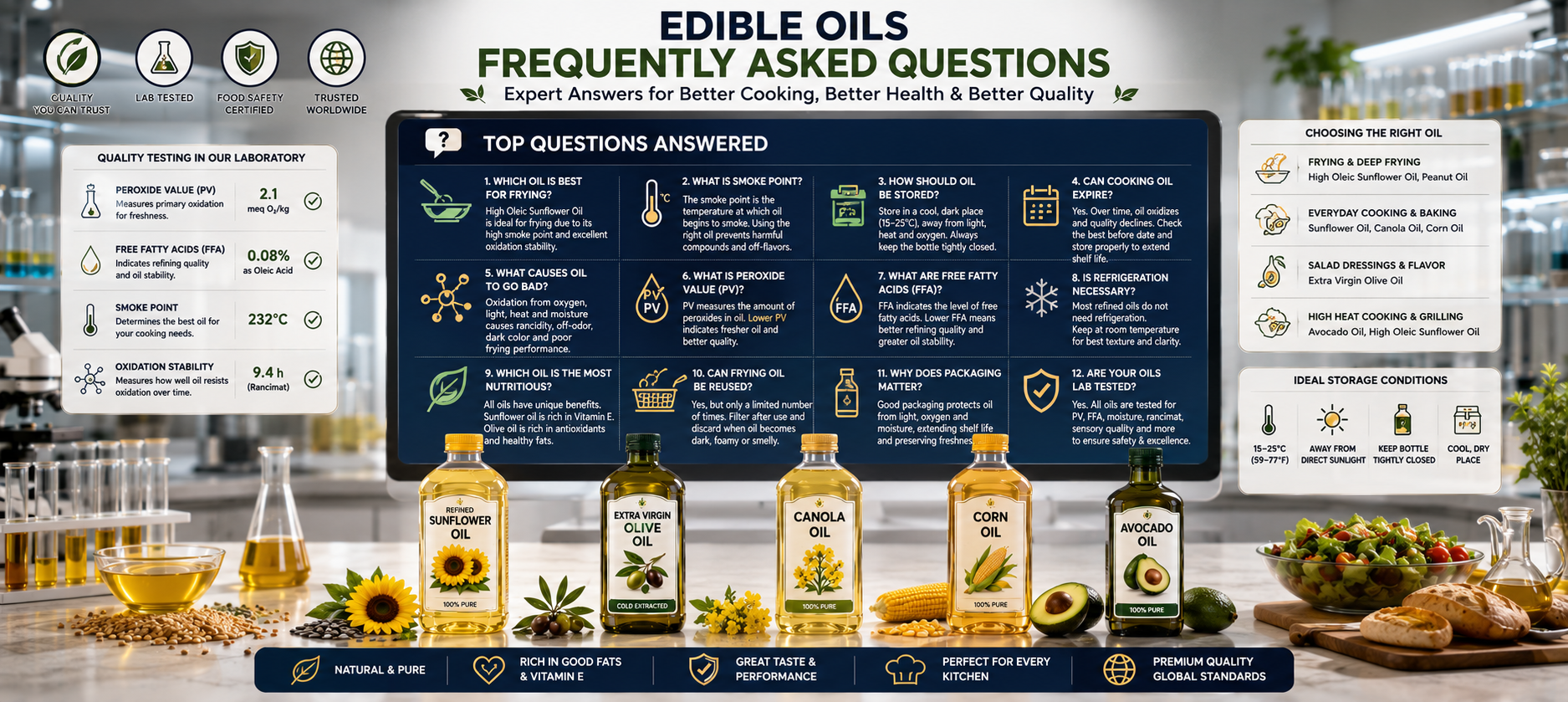
Which oil is better for frying?
Both perform well for frying, though High Oleic sunflower oil generally offers superior oxidative stability during extended high-heat use.
Does corn oil contain cholesterol?
No. Like all vegetable oils, refined corn oil is naturally cholesterol-free.
Which oil has a more neutral flavor?
Sunflower oil has a milder, more neutral taste than corn oil, making it suitable for recipes where the original flavor of ingredients should stand out.
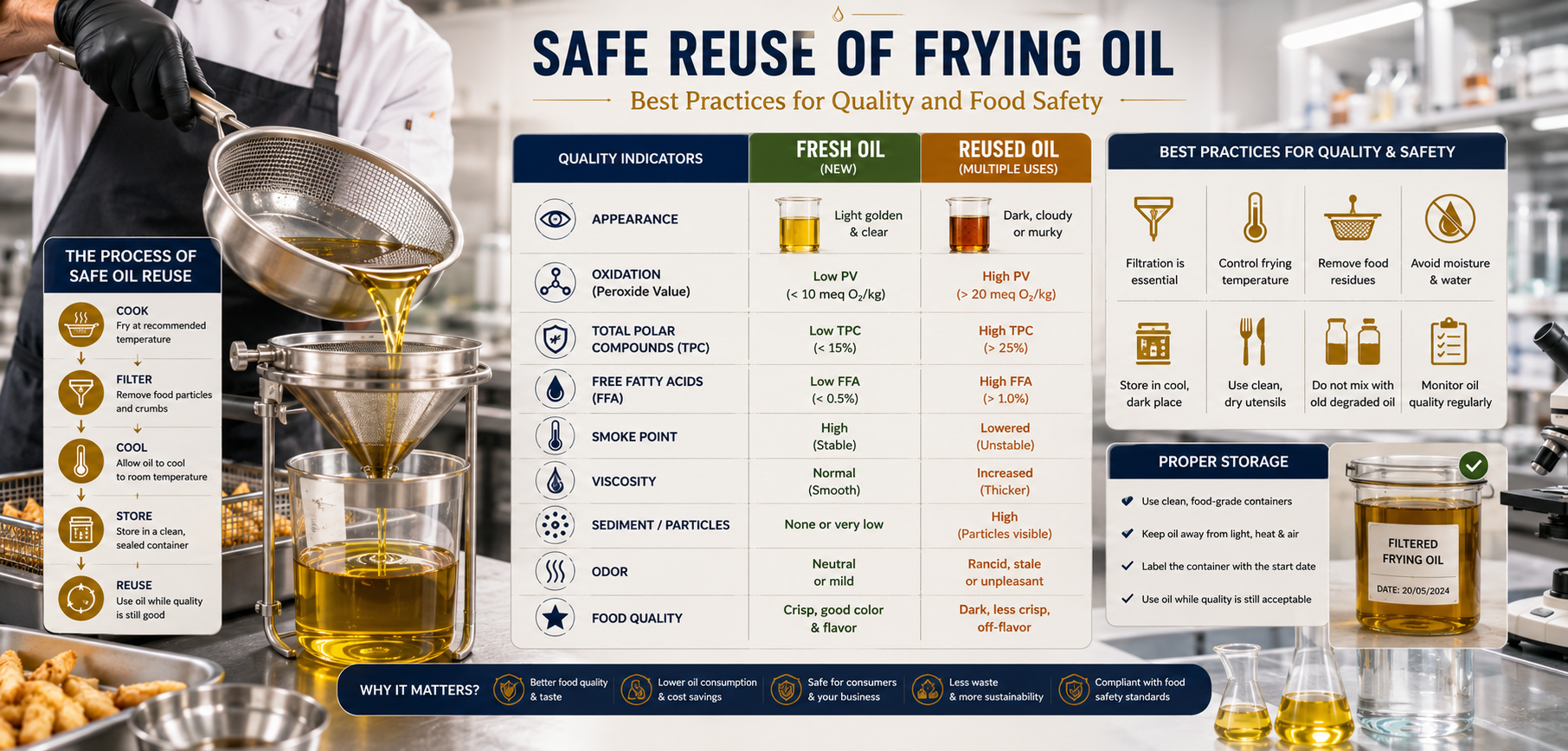
Which oil lasts longer during repeated frying?
High Oleic sunflower oil typically maintains quality longer because it is more resistant to oxidation.
Related Articles
- Sunflower Oil vs Olive Oil
- Sunflower Oil vs Canola Oil
- Sunflower Oil vs Soybean Oil
- Which Oil Is Best for Frying?
- Oxidation Stability of Cooking Oils
- Smoke Point of Sunflower Oil
Conclusion
Sunflower oil and corn oil are both versatile, refined vegetable oils suitable for everyday cooking, frying, and food manufacturing. While both offer high smoke points and healthy unsaturated fats, sunflower oil stands out for its higher vitamin E content, exceptionally neutral flavor, and, in its high oleic form, superior resistance to oxidation during prolonged heating. Corn oil remains a reliable and economical option, particularly for commercial frying and recipes that benefit from its slightly richer taste.
Selecting the right oil ultimately depends on your cooking style, nutritional priorities, and intended application. Choosing high-quality oils from trusted producers ensures the best performance, flavor, and safety in every meal.
Call to Action
Looking for premium-quality refined sunflower oil for retail, food service, or industrial applications? Explore our product range to discover internationally produced sunflower oils that deliver excellent frying performance, consistent quality, and reliable supply for global markets.
Leave a Reply