



Sunflower oil is one of the most widely consumed vegetable oils in the world, appreciated for its light taste, versatility, and nutritional profile. Produced from sunflower seeds (Helianthus annuus), it contains a high proportion of unsaturated fatty acids and is naturally rich in vitamin E, making it a valuable ingredient in modern diets.
Although no single food can guarantee good health, scientific evidence suggests that replacing fats high in saturated fat with oils rich in unsaturated fats may contribute to a healthier dietary pattern. When used appropriately and as part of an overall balanced lifestyle, sunflower oil can offer several nutritional advantages.
This article explores the evidence-based health benefits of sunflower oil, explains why it is commonly recommended for everyday cooking, and highlights the importance of choosing the right type of sunflower oil.
Rich Source of Vitamin E
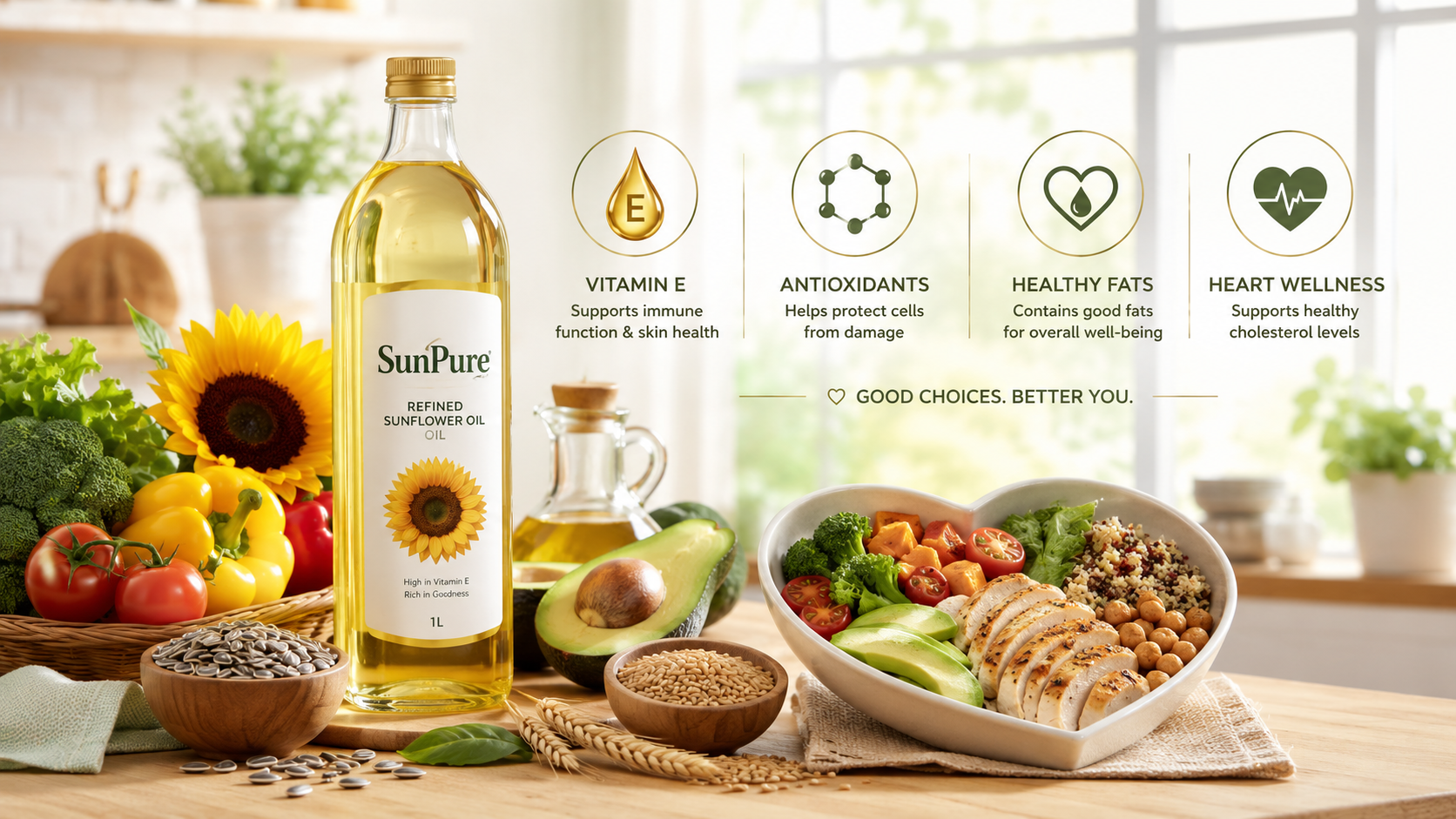
One of the most significant nutritional advantages of sunflower oil is its naturally high concentration of vitamin E (tocopherols).
Vitamin E is a fat-soluble antioxidant that helps protect cells from oxidative damage caused by free radicals.
Adequate vitamin E intake contributes to:
- Protection of body cells
- Healthy immune function
- Skin health
- Maintenance of normal vision
- Protection of cell membranes
Among commonly used edible oils, sunflower oil ranks as one of the richest natural dietary sources of vitamin E.
Supports Heart-Friendly Nutrition
Sunflower oil contains predominantly unsaturated fats instead of saturated fats.
Replacing foods rich in saturated fat with foods containing unsaturated fats is generally recommended in many dietary guidelines as part of a balanced eating pattern.
Traditional sunflower oil provides:
- Polyunsaturated fatty acids (mainly linoleic acid)
High-oleic sunflower oil provides:
- Higher levels of monounsaturated oleic acid
Both types can fit into heart-conscious dietary patterns when consumed in moderation.
Naturally Cholesterol-Free
Since sunflower oil is entirely plant-derived, it naturally contains:
- No cholesterol
- No animal fat
- No lactose
- No dairy proteins
This makes it suitable for:
- Vegetarian diets
- Vegan diets
- Dairy-free lifestyles
Source of Essential Fatty Acids
Traditional sunflower oil is rich in linoleic acid, an essential omega-6 fatty acid.
Essential fatty acids are necessary because the body cannot produce them independently.
They contribute to:
- Normal cell growth
- Healthy skin
- Brain function
- Hormone production
- Immune response
A balanced diet should include essential fatty acids from a variety of food sources.
Antioxidant Protection
Vitamin E acts as one of the body’s important antioxidants.
Antioxidants help reduce oxidative stress, a natural process associated with aging and everyday metabolism.
Although antioxidants alone cannot prevent disease, they contribute to maintaining normal cellular function.
May Support Healthy Skin
Healthy fats and vitamin E are widely recognized as nutrients involved in maintaining normal skin structure.
Regular dietary intake of vitamin E contributes to:
- Healthy skin barrier function
- Protection against oxidative stress
- Maintenance of skin cells
For this reason, sunflower oil is also commonly used in cosmetic and skincare products.
Suitable for Everyday Cooking
Sunflower oil has a clean, neutral taste that allows the natural flavor of foods to remain unchanged.
It performs well in:
- Frying
- Baking
- Roasting
- Sautéing
- Salad dressings
- Food manufacturing
Its versatility makes it one of the most practical cooking oils for everyday use.
Good Heat Stability
Refined sunflower oil has a relatively high smoke point, making it suitable for many cooking techniques.
High-oleic sunflower oil offers even greater oxidative stability during prolonged heating.
This makes it particularly valuable for:
- Deep frying
- Commercial kitchens
- Food processing
- Snack production
Supports Balanced Fat Intake
Nutrition experts increasingly emphasize the quality of dietary fats rather than simply reducing fat intake.
Sunflower oil contributes beneficial unsaturated fats while containing relatively low amounts of saturated fat.
Like all edible oils, however, it should still be consumed in moderation because it is energy-dense.
Contains Natural Plant Sterols
Sunflower oil naturally contains plant sterols.
Plant sterols have been extensively studied for their ability to help maintain healthy cholesterol levels when consumed as part of a balanced diet.
Although naturally occurring amounts in regular cooking oil are modest, they contribute to the oil’s overall nutritional profile.
Easy to Digest
Many consumers prefer sunflower oil because of its light texture and mild flavor.
Unlike some heavier fats, it blends easily into recipes without overpowering other ingredients.
This makes it suitable for:
- Family meals
- Children’s recipes
- Restaurant cooking
- Industrial food production
Supports Modern Healthy Diets
Sunflower oil fits comfortably into many eating patterns, including:
- Mediterranean-style diets
- Flexitarian diets
- Vegetarian diets
- Balanced calorie-controlled meal plans
Its neutral flavor allows it to replace less healthy fats in many recipes.
High-Oleic vs Traditional Sunflower Oil
Although both types are nutritious, they differ in fatty acid composition.
| Feature | Traditional Sunflower Oil | High-Oleic Sunflower Oil |
|---|---|---|
| Main Fat | Linoleic Acid | Oleic Acid |
| Vitamin E | High | High |
| Heat Stability | High | Very High |
| Frying Performance | Excellent | Outstanding |
| Shelf Life | Good | Longer |
Choosing the right type depends on the intended cooking method.
Common Misconceptions
“Sunflower oil is unhealthy because it is refined.”
Refining primarily improves safety, shelf life, and cooking performance while retaining important nutrients such as vitamin E.
“All fats are bad.”
The body requires dietary fats for many essential functions.
Current nutrition science focuses on choosing healthier fats rather than eliminating fat completely.
“Sunflower oil causes cholesterol.”
False.
Sunflower oil contains no cholesterol because it is a plant-based product.
“More sunflower oil means better health.”
No.
Even healthy oils are calorie-dense and should be consumed in appropriate portions within a balanced diet.
Practical Tips for Healthy Use
To maximize nutritional benefits:
- Use moderate portions.
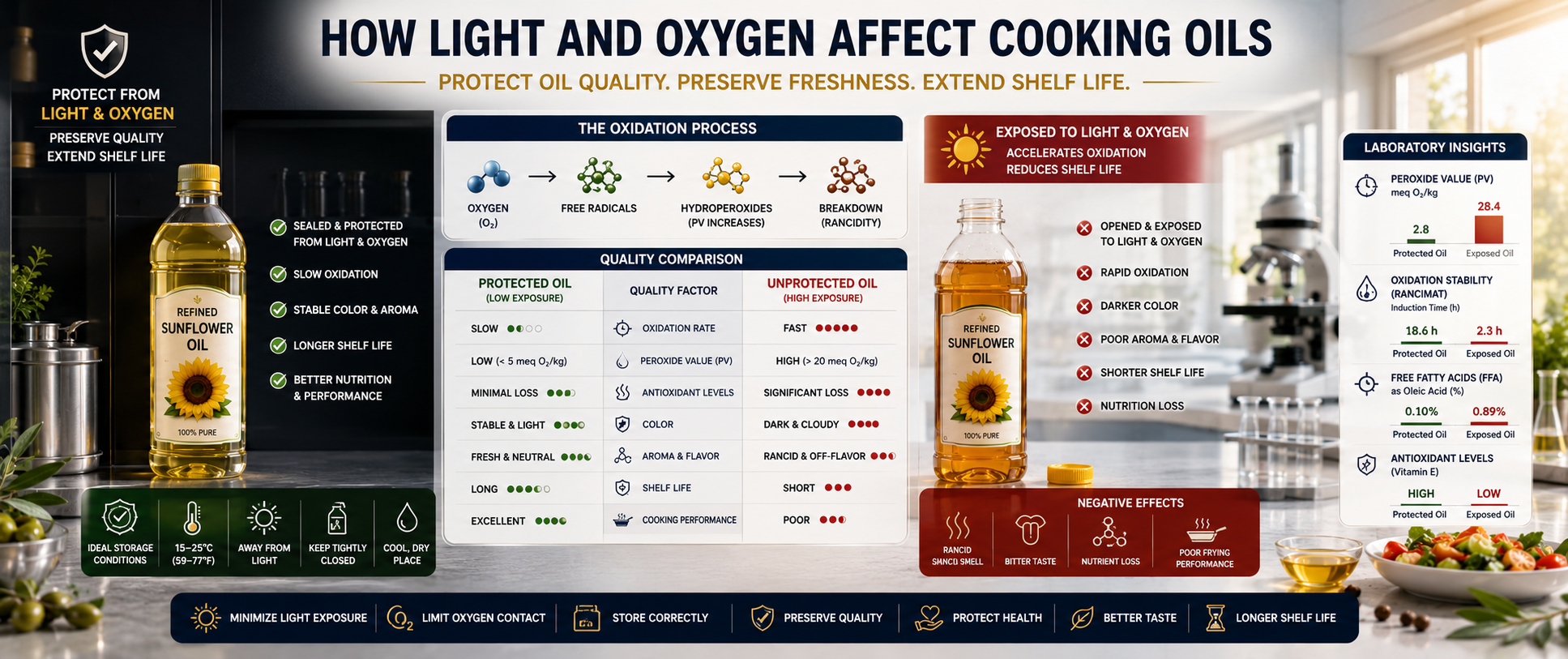
- Store away from heat and sunlight.
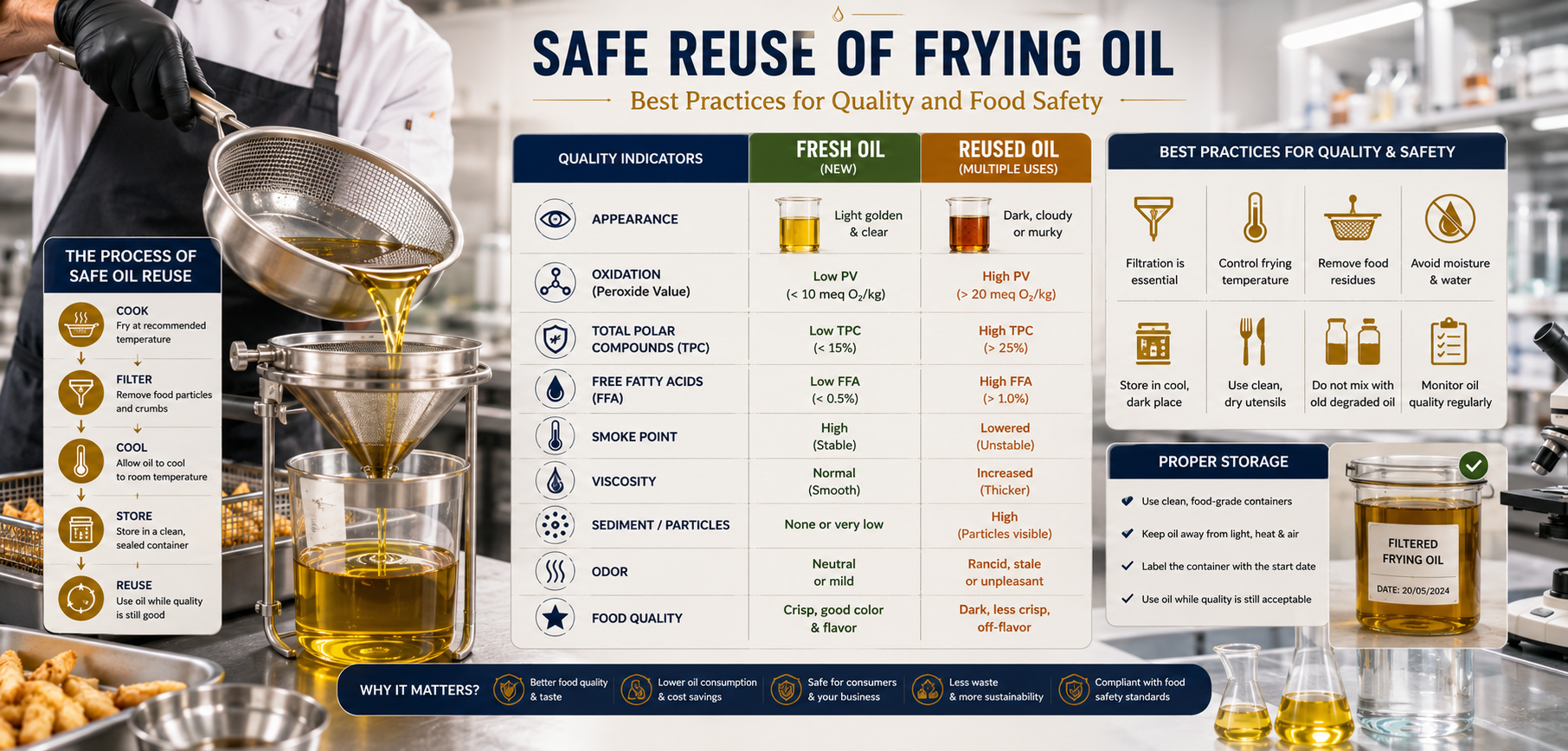
- Avoid repeatedly overheating the same oil.
- Choose high-quality refined oil from trusted producers.
- Combine sunflower oil with a varied, balanced diet rich in fruits, vegetables, whole grains, and lean proteins.
Comparison with Other Common Oils
| Oil | Vitamin E | Cholesterol | Unsaturated Fat | Neutral Flavor |
|---|---|---|---|---|
| Sunflower Oil | Excellent | No | High | Yes |
| Olive Oil | Good | No | High | Mild |
| Canola Oil | Good | No | High | Yes |
| Corn Oil | Moderate | No | High | Yes |
| Butter | Low | Yes | Lower | No |
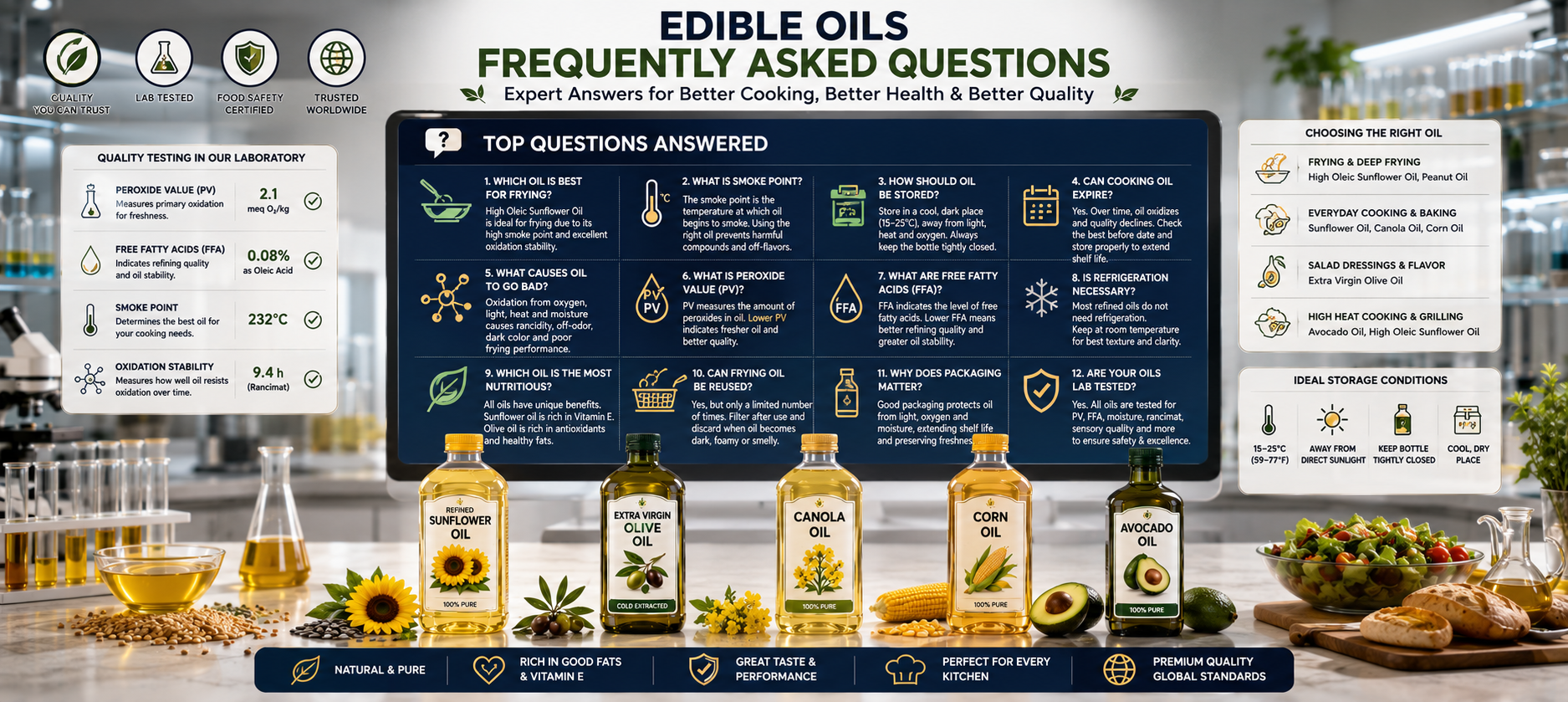
Frequently Asked Questions (FAQ)
Is sunflower oil healthy?
Yes. When consumed in moderation as part of a balanced diet, sunflower oil provides healthy unsaturated fats and vitamin E.
Is sunflower oil good for heart health?
Replacing saturated fats with unsaturated fats, including those found in sunflower oil, may support heart-friendly dietary patterns.
Does sunflower oil contain antioxidants?
Yes.
It naturally contains vitamin E, an important antioxidant.
Which sunflower oil is best for frying?
High-oleic sunflower oil generally provides greater heat stability during prolonged frying.
Is sunflower oil suitable for vegetarians?
Absolutely.
It is entirely plant-based.
Can sunflower oil be used every day?
Yes.
Its mild flavor and versatile cooking performance make it suitable for everyday use when consumed in reasonable amounts.
Related Articles
- Everything About Sunflower Oil
- Nutritional Value of Sunflower Oil
- High Oleic vs Linoleic Sunflower Oil
- Is Sunflower Oil Good for Frying?
- Smoke Point of Sunflower Oil
- How to Choose Premium Sunflower Oil
Conclusion
Sunflower oil is much more than a versatile cooking ingredient. Rich in vitamin E, naturally cholesterol-free, and predominantly composed of healthy unsaturated fats, it supports a balanced and nutritious diet when used appropriately. Whether for home kitchens, restaurants, or food manufacturing, high-quality sunflower oil remains one of the world’s most trusted edible oils thanks to its nutritional value, cooking performance, and broad culinary applications.
Call to Action
Looking for premium refined sunflower oil produced according to international quality standards?
ZAR1N delivers high-quality edible oils for retail, food service, industrial manufacturing, and international export. Our commitment to quality, consistency, and global food safety ensures reliable products for customers around the world. Contact us today to learn more about our sunflower oil solutions.
Leave a Reply